
A sports medicine trainer (SMT) is a personal trainer trained in movement science & in how exercise can help with certain health conditions, plus corrective exercise for people with pain. They understand the body at a deeper level than a personal trainer with other certifications, so they can test how you move, spot what may be driving pain or stiffness, & build exercise around it safely. A regular personal trainer mainly plans workouts for fitness goals; an SMT also works with pain, old injuries & life after rehab, & knows when to send you to a doctor or physiotherapist. At MSMC (Movement & Sports Medicine Centre) on Kitchener Road, near Farrer Park MRT, all our trainers are sports medicine trained (SMT), & every programme starts with a full assessment.
This guide explains what an SMT does, how the role differs from a regular personal trainer & a physiotherapist, who it suits, & what it costs, so you can choose the right help in Singapore.
Key facts: SMTs at MSMC
- What it is: one-to-one sessions with SMTs, who combine exercise with movement testing.
- Who it's for: adults, mostly 35 to their 60s, with pain, stiffness or old injuries, or anyone who wants to get stronger safely.
- First step: a full assessment, $190 (as of November 2026).
- PT: from $1,080 a month for 8 sessions, or a 10-session package for $1,500 (as of November 2026).
- Small classes: $45 per 55-minute class, a maximum of 6 to 9 people depending on the class.
- Where: 151A Kitchener Road #02, Singapore 208526, near Farrer Park MRT. Open since 2019. Appointment based, closed Sundays & public holidays.
- How to book: on Momence or WhatsApp +65 8973 7619, where you can also move or cancel a booking.
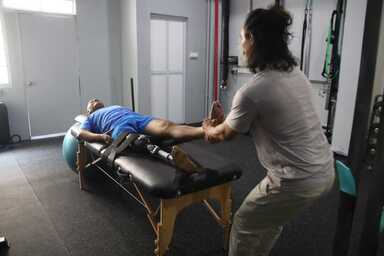
What does a sports medicine trainer do?
An SMT is a coach for your body: they help individuals move better, get stronger & stay active around pain or past injuries, so daily life gets easier. Their role is part coach, part teacher, because helping you understand your own body is a big part of the job. In a typical week, that means:
- Testing how you move: checking posture, joint range of motion in areas like the hips, shoulders & spine, strength, balance & how you squat, bend, lift & step, to see what may be adding strain to a sore area.
- Building a programme around the results: corrective exercise, strength work & mobility drills matched to your body, rather than a one-size-fits-all workout.
- Post-rehab support: backing up your rehabilitation by picking up where physiotherapy leaves off, so people recovering from a setback keep building strength once the early medical care is done.
- Injury prevention: screening how you move, looking at things like your shoes, playing surface & weekly load, & strengthening the areas that tend to get hurt in your sport or daily life. While you recover, that often means a short-term change in how hard or how often you exercise.
- Stretching & mobility: including assisted stretching such as F.S.T (Functional Stretch Therapy), a one-to-one stretch session.
- Clear communication: explaining what they found in plain words, keeping notes on your progress, & keeping your doctor or physio in the loop when you want them to.
- Knowing the limits: a good SMT doesn't diagnose. If something needs medical care, they refer you to a doctor or physiotherapist & team up with them.
Our motto sums up the approach: "we test, we don't guess".
How is a sports medicine trainer different from a regular personal trainer?
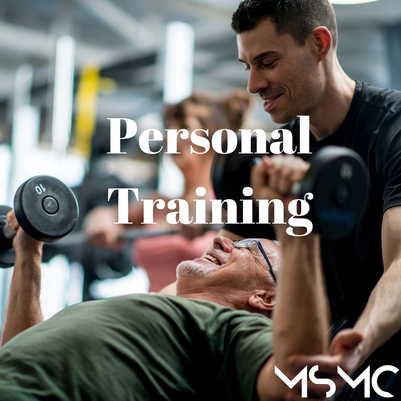
Both help you get fitter. The difference is mostly in how they start & who they can train safely.
| Regular personal trainer | Sports medicine trainer (SMT) | Physiotherapist | |
|---|---|---|---|
| Main job | Workouts for fitness goals, weight or strength | Exercise built around how you move, pain & past injuries | Assess & treat injuries & pain |
| How it starts | Often a goal chat & a fitness test | A movement & strength assessment | A clinical assessment |
| Works with pain or old injuries | Sometimes, but often without specific skills for it | Yes, alongside doctors & physios | Yes |
| Diagnoses | No | No | Assesses & treats |
| Best for | Healthy people who want a fitness push | Pain or stiffness that keeps coming back, life after physio, safe strength in your 40s to 60s | New injuries, severe pain, after surgery |
| Typical length | Ongoing | Ongoing, with regular re-tests | Usually a set course of treatment |
If you're weighing up personal trainers in general, our guide on how to choose a personal trainer in Singapore lists the questions to ask before you pay.
Is an SMT the same as a physiotherapist?
No. A physiotherapist is a healthcare professional who assesses & treats injuries & pain. In Singapore, physiotherapists must be registered with the Allied Health Professions Council (AHPC) before they can practise. An SMT is considered an exercise professional, not a registered allied health professional, so it's worth asking about qualifications. The two are best together: a physio often handles the early treatment stage, & an SMT helps you build the strength & confidence to stop the same problem coming back. MSMC partners with physiotherapists, & we'll always point you to one, or to a doctor, when that's what you need.
Many people in Singapore also use massage, chiropractic, TCM tuina or acupuncture for sore muscles & stiff joints. These manual treatment options can ease pain for a while, & some people like them, but they can't replace a proper exercise plan that builds strength & control. Physiotherapists see patients with all kinds of conditions; an SMT focuses on the exercise side & sees clients, not patients.
To learn more about the wider field, read our guide to sports medicine in Singapore.
How are SMTs different from athletic trainers & sports doctors?
They play different roles in health care. In the United States, athletic trainers are healthcare professionals, regulated in most states, who are often attached to sports teams & athletes, giving first aid on the field & managing return to play. Most athletic trainers now study to master's level, as a master's degree has become the standard entry route, so their education covers injury management, emergency care & rehabilitation. Their role sits close to medicine, but it isn't personal coaching. A sports & exercise medicine doctor is a medical doctor who diagnoses & treats sports injuries & conditions, & can order scans or refer to a surgeon. An SMT in Singapore is neither of these: it's an exercise professional who brings this knowledge into one-to-one coaching, alongside doctors & physiotherapists when medical care is needed.
What do athletic trainers & SMTs have in common?
Athletic trainers & SMTs both use a strong knowledge of anatomy, exercise science & prevention of injuries, & both care about getting people back to the things they love safely. Both roles also involve education: helping individuals understand their bodies & manage their own health. The main difference is setting: athletic trainers are often based with teams & in clinics, while an SMT in Singapore usually coaches one-to-one or in small groups with everyday adults as well as athletes.
What does SMT stand for in fitness?
SMT stands for Sports Medicine Trainer. You may also see it used for other things, such as senior management teams at work, so context matters. At MSMC, it describes qualified personal trainers trained in movement science, in how exercise can help with certain health conditions, & in corrective exercise for people with pain. That education builds on exercise science & knowledge of human movement, & covers things like movement assessment, injury prevention, load management, pain management alongside your doctor's advice, rehabilitation-based exercise & working safely with pain. Good trainers keep up their education over the years, too. Titles in the fitness industry vary a lot, so whoever you choose, it's fair to ask what they studied & how they'd handle your pain or old injuries.
Who should see an SMT?
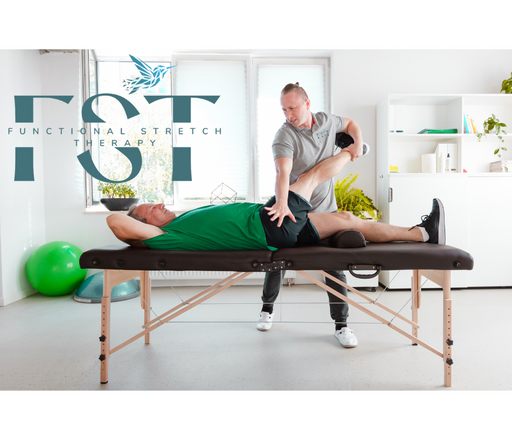
An SMT suits people who want a personal trainer with extra expertise in injury, rehabilitation & movement for longevity, especially adults in their 50s onwards, & anyone whose pain or stiffness hasn't fully settled with other help. For the full picture, read who should work with a sports medicine trainer.
When should you see a doctor instead?
A coach is not the right first step for every problem, & a responsible one will tell you so. See a doctor first if you have:
- pain after a fall, accident or sudden injury, especially with fast swelling or if you can't put weight on the area
- numbness, tingling or weakness in your arms or legs, or changes in bladder or bowel control
- fever, unexplained weight loss, or pain that's severe at night
- chest pain, dizziness or breathlessness with exercise
- a joint that is hot, red & swollen
The NHS guide to sprains & strains also explains when a sprain or strain needs urgent help.
What happens in the first assessment at MSMC in Singapore?

Every programme at MSMC starts with a full assessment ($190, as of November 2026). It usually covers:
- a chat about your pain, past injuries, health, daily life & goals
- movement tests, such as how you squat, bend, step, reach & balance
- joint range & strength checks, comparing left & right sides
- which movements bring on your symptoms & which ones feel fine
- a clear plan: what to focus on first, what to avoid for now, & whether a doctor or physio should see you too
We don't diagnose. We test how you move, so your plan is based on the results, not on guesses. We use the same tests again later, so you can see what has changed.
What questions should you ask before you start?
Whoever you choose, these questions help you choose a careful trainer at the right level for you:
- What will you test before we start?
- If an exercise hurts, how will you change it?
- How will we measure my progress, & how often will you re-test?
- When would you send me to a doctor or physiotherapist?
- Have you trained people with a problem like mine?
- Can you follow what my physio or doctor has told me?
It also helps to bring any reports or scan results you already have, & to tell the trainer honestly what movements worry you. A good coach will want to understand your history, including injuries from years ago.
What does post-rehab work look like after sports injuries?
Rehabilitation usually starts with a doctor or physiotherapist while the early healing happens. Post-rehab work is the bridge between "the injury has settled" & "I'm back to everything I enjoy". It usually builds in stages: control & mobility first, then strength, then balance & power, then sport, daily activity or work skills. We re-test as you go, so you can see your progress & move on towards your recovery goals when you're ready, not just when the calendar says so. For examples, see our 6-week lower back rehab plan & our guide to knee rehab after a sports injury.
Can you stop being injury prone?
Often you can lower the risk, though no one can promise you'll never get hurt. Common reasons people keep picking up injuries include doing too much too soon, poor sleep & recovery, an old injury that never fully regained strength, & weak spots that get overloaded in their sport, such as a sore knee or calf in runners, or a tight shoulder in badminton players. Finding & working on these, then building up training load gradually, is a big part of what an SMT does.
How do you get over the fear of getting hurt again?
Fear after an injury is normal. What usually helps is building up slowly with movements you can pass, so you have proof that your body can cope. Re-testing & seeing progress on paper often does more for confidence than being told you're fine.
How much does a sports medicine trainer cost in Singapore?
PT prices in Singapore vary a lot between gyms, studios & clinics. At MSMC, as of November 2026:
| Option | Price (as of Nov 2026) | What you get |
|---|---|---|
| Full assessment | $190 | The first step for PT & anyone with pain |
| Essential PT | $1,080 a month | 8 one-to-one sessions a month |
| Lifestyle PT | $1,500 a month | 12 sessions a month |
| ELITE PT | $2,350 a month | 20 sessions a month |
| 10-session PT package | $1,500 | 10 one-to-one sessions |
| Small classes | $45 per class | 55 minutes, e.g. BFRT, Barbell Lifting, Bandit Stretch Class, Deep Roll 2.0, Aerial Stretch |
For memberships & more detail, see our PT rates in Singapore guide.
Frequently asked questions
Do I need a doctor's referral to see an SMT?
No referral is needed. But if you've just been hurt, have severe pain or any warning signs, see a doctor first, then we can follow their advice.
Can an SMT help with back pain?
Often, yes. Many people we see have back pain that keeps coming back, & care for it works best with a clear plan. An SMT tests how you move & builds strength & mobility around it. We don't diagnose, & we'll refer you if your back needs medical care.
Is a sports medicine trainer only for athletes?
No. Unlike many athletic trainers, who are mostly attached to sports teams, an SMT coaches all kinds of individuals. Most people we see at MSMC in Singapore are everyday adults, often 35 to their 60s, who want to move without pain, stay active & live well for many years.
Is an SMT worth it?
If you have pain, stiffness or an old problem, a coach who tests first can save you from guessing & from workouts that make things worse, & can help you understand how to look after your health long term. If you're healthy & just want a fitness push, a regular personal trainer may be enough.
How many sessions will I need?
It depends on your goals & how your body responds. Many people come 2 to 3 times a week, & we re-test along the way. We can't promise a set number of sessions or results.
Can I see a physio & an SMT at the same time?
Yes, & it's often a good combination. Your physio handles treatment, & we build strength & confidence alongside their advice.
Last updated: 21 November 2026. Written by the MSMC team & reviewed by a sports medicine trained trainer.
If you'd like to work with an SMT, start with a full assessment ($190, as of November 2026) at MSMC, 151A Kitchener Road #02, near Farrer Park MRT. Book on Momence or WhatsApp us on +65 8973 7619.