
Physiotherapy for pain is the right place to start when your back, knee, shoulder or neck hurts after an injury, surgery or months of strain. But being discharged from physio usually means the pain has settled, not that your full strength, power & confidence are back. The step after physiotherapy is progressive strength training with a sports medicine trainer, so you can get strong again & get back to the things you want to do.
MSMC (Movement & Sports Medicine Centre), on Kitchener Road near Farrer Park MRT, doesn't offer physiotherapy sessions. We're where people come after physio. Our sports medicine trainers understand rehab, & some of them come from a physiotherapy background, so they know where your physiotherapist left off. This guide explains what physiotherapy does, why pain can return after discharge, & how to plan the next stage of your recovery.
Key facts: training at MSMC after physiotherapy
- Who it's for: people in Singapore discharged from physiotherapy for back, knee, shoulder or neck pain, or near the end of it, who want full strength back.
- What MSMC does: strength, movement & conditioning training after physio, built around your body & your goals.
- What MSMC doesn't do: physiotherapy sessions, diagnosis or medical treatment. Keep seeing your physiotherapist or doctor for those.
- The trainers: sports medicine trainers, some with a physiotherapy background.
- First step: a full assessment, $190 (as of November 2026), then a plan built from the results.
- Where: 151A Kitchener Road #02, Singapore 208526, a short walk from Farrer Park MRT. Appointment based, closed Sundays & public holidays.
- How to book: on Momence or WhatsApp +65 8973 7619.
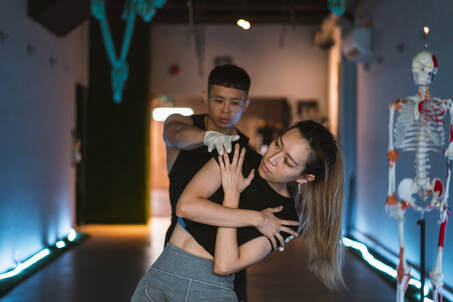
What does physiotherapy for pain do?
Physiotherapy (also called physical therapy) is the right care for most sports injuries, joint pain & muscle pain, & for recovery after surgery. In Singapore you'll see both names, & a physiotherapist is sometimes called a physical therapist. Either way, their job is to assess, diagnose & treat the problem so the pain settles & the injured area starts to heal. People usually seek physiotherapy for sports injuries, chronic pain or rehabilitation after surgery, & it's a growing choice for pain relief in Singapore. Its aim is to restore strength, flexibility & function, improve mobility after an injury & ease chronic pain. HealthHub also notes that physiotherapy can improve mobility & help prevent secondary complications after a stroke.
At the physiotherapy clinic: accurate diagnosis & a personalised treatment plan
A good physiotherapy clinic starts with a detailed history & your medical history, makes an accurate diagnosis of the problem, & then builds a personalised treatment plan. HealthHub Singapore describes how physiotherapy helps people restore their ability to move safely. How long recovery takes varies with the type & severity of the injury, so your physiotherapist will set expectations for your own case.
Physical therapy techniques for muscle pain & sports injuries
Depending on the clinic, the therapist & your condition, physiotherapy treatment may include:
- Manual therapy: hands-on techniques such as massage & joint mobilisation to reduce pain, ease stiff joints & improve mobility.
- Dry needling & trigger points work: to relieve pain & tension in tight muscles.
- Electrotherapy & ultrasound: non invasive physical treatments, such as TENS (electrical nerve stimulation) & therapeutic ultrasound, that some physiotherapists use to reduce pain & inflammation & support healing in the early stages. Gentle movement & treatment also improve circulation, which supports the healing process.
- Therapeutic exercises & rehabilitation exercises: specific exercises to restore movement & basic strength.
- Home based therapy & education: a home exercise programme so you keep progressing between sessions, plus advice on ergonomics, posture & daily habits, which supports long-term pain management.
A physical therapist chooses the techniques that suit the stage of your injury. Early on, the focus is usually on calming pain; later, more of each session moves to exercise.
Sports physiotherapy, home based therapy & non invasive care
Sports physiotherapy focuses on sports injuries & getting athletes back to play, while general physiotherapy services cover a wider range of musculoskeletal conditions, chronic pain & recovery after surgery. Chiropractic care is different again, with spinal adjustments at its centre. For a side-by-side look, read physio, chiro or personal trainer: which one you need for pain.
Many clinics combine several of these procedures in a single session, & most physiotherapists will assess your progress each visit & adjust the plan. The benefit of starting here is clear: the right techniques at the right time help reduce inflammation, protect healing tissue & get the joints & muscles moving again. Most of these treatment techniques are non invasive, & dry needling of trigger points is one of the few that goes beneath the skin.
Exercise prescription is a core part of most physiotherapy treatment plans, & a good physio also helps prevent future flare-ups by correcting movement patterns. Physiotherapy is effective treatment for the painful, early part of a problem. That's why we always tell people: if you're in the early stages of an injury, see a physiotherapist or doctor first.
What physiotherapy costs in Singapore
Some published price guides put a private physiotherapy session in Singapore at roughly S$170 to S$300 at a physiotherapy clinic. The initial consultation usually costs more than follow-up sessions, multi-session packages can bring the per-session rate down, & public hospitals charge lower subsidised fees. Insurance may cover some physiotherapy costs, so check with your insurer. (MSMC doesn't offer physiotherapy, so these aren't our prices; ours are further down.)
Discharged from physio but not back to full strength? Here's why
Most patients are discharged from a physiotherapy clinic once the pain has calmed down, the injury has settled & daily living feels manageable again. That's a real milestone. But being able to walk, sit & sleep without pain isn't the same as being ready to lift your child, carry groceries up the stairs, play badminton or go hiking.
A few common reasons pain can come back after physiotherapy ends:
- Strength & power aren't fully back. Muscles that weakened during the injury often need months of gradual loading to catch up, longer than a typical course of physio.
- Home exercises fade. Life gets busy, the home programme slips, & the body drifts back into old habits.
- Life asks for more than clinic exercises. Sport, work & daily activities put heavier, faster loads through your joints than rehabilitation exercises usually do.
- The possible causes weren't all addressed. Stiffness or weakness elsewhere in the body, such as the hips for knee pain or the upper back for neck pains, can keep loading the sore area.
No single session or short course can rebuild months of lost strength. For a full recovery, the muscles, tendons & joints need time under gradually heavier load, & that takes regular training.
Physiotherapy gets you out of pain. The next part of your rehabilitation journey is building the strength & resilience that help keep it from returning. That's a training job, & it's where a sports medicine trainer helps.
Physiotherapy vs training with a sports medicine trainer after physio
Physiotherapy & training aren't competing options. They're two stages of the same recovery & rehabilitation. The physiotherapy clinic leads the treatment stage; MSMC only does the training side.
| Physiotherapy (at a physio clinic) | Sports medicine trainer (at MSMC, after physio) | |
|---|---|---|
| Main goal | Diagnose & treat the injury, reduce pain & inflammation | Rebuild strength, power, mobility & confidence for the life you want |
| Best time | Early stages, while pain is the main problem | After discharge, or near the end of physio with your physiotherapist's OK |
| Who leads | A registered physiotherapist | A sports medicine trainer (some at MSMC have a physiotherapy background) |
| What a session looks like | Assessment, manual therapy, treatment techniques, rehabilitation exercises | Warm-up, movement checks, progressive strength & conditioning, mobility work |
| Load & equipment | Light loads, bands, basic equipment | Gradually heavier loads, free weights, suspension straps, kettlebells & more |
| How progress is measured | Pain levels, range of motion, basic function | Strength, control, movement quality & return to your activities |
| Insurance | Some physiotherapy may be claimable; check with your insurance company | Training isn't medical treatment, so don't assume it's claimable |
What should you do after physio?
Here's the path we suggest once your physiotherapist discharges you or says you're ready for more:
- Keep your discharge notes & home exercises. Ask your physiotherapist what to avoid for now & what you're cleared to do.
- Book a full assessment. At MSMC we test how you move, compare left & right, & look for what may be loading the sore area. Our motto is "we test, we don't guess".
- Build a strength base. Controlled exercises for the muscles around the injured area & the rest of the body.
- Add load step by step. Heavier weights, more reps or harder positions, only when your body handles the last step well.
- Add power & speed. Jumping, quick changes of direction or faster lifts, if your sport or life needs them.
- Get back to what you love. Running, pickleball, hiking, gardening, carrying your grandchildren.
- Keep it going. A weekly session or class helps keep the strength you've built.

Signs you're ready to train after physiotherapy
- Your physiotherapist has discharged you or said you can start general exercise.
- Everyday movements no longer cause sharp pain, even if some stiffness or discomfort is left.
- You no longer need walking aids, or your physiotherapist is happy for you to train while you phase them out.
- You want more than "pain-free": you want strength, power & to trust your body again.
Red flags: go back to your physiotherapist or see a doctor first if you have numbness or tingling, new weakness, pain at night that wakes you, pain after a fall, fever, changes in bladder or bowel control, or pain that keeps getting worse. These need medical attention before training.
Getting strong again after physio, by body area
Back pain after physiotherapy
Low back pain is very common: HealthHub notes that 60-80% of people experience it in their lifetime. Is physiotherapy good for back pain? Yes, it's a safe & sensible first step, especially for a recent flare-up, & therapeutic exercises are essential to managing low back pain. Physio for back pain often uses manual therapy, posture advice & gentle core exercises to reduce pain. After discharge, training builds what the back needs to stay strong: hip & trunk strength, the ability to bend & lift with confidence, & tolerance for long days at a desk or in the car. Our 6-week lower back rehab plan shows what the early stages look like.

Knee pain after physiotherapy
Physiotherapy for knee pain in Singapore usually settles the knee, restores range of motion & starts basic strengthening, often with manual therapy, ultrasound or taping depending on the therapist. But the knee often needs much more strength before stairs, squats, running or badminton feel normal again. Training after physio builds the thigh, hip & calf muscles that share the load with the knee, then adds step-ups, lunges & landing practice. If stairs still hurt, read our guide to knee pain climbing stairs; if you're heading back to sport, see knee rehab after a sports injury. A knee that's strong all the way round is a knee you can trust.
After knee surgery, such as a ligament repair or a knee replacement, follow your surgeon's & physiotherapist's timeline first. Once they clear you, we build the knee up slowly, watching how it responds after each session. Swelling, a knee that feels unstable or clicks painfully, or knee pain that lingers into the next day tells us to ease off. Many patients find the knee feels fine walking but weak on stairs or getting up from the floor; that gap is exactly what training after physiotherapy works on. For most people, the benefit of a stronger knee shows up in everyday life first: easier stairs, steadier walks & less worry about the knee giving way.
Shoulder pain after physiotherapy
Physiotherapy for shoulder pain often focuses on regaining range of movement & calming the joint. After discharge, the shoulder needs strength in every direction, control of the shoulder blade, & the ability to lift overhead & carry weight again. Training uses rows, presses, carries & rotation work, built up slowly. More in shoulder pain & sports medicine.
Neck pain after physiotherapy
Physiotherapy for neck pain may include manual therapy, soft tissue techniques, posture advice & gentle exercises. Once the neck has settled, training focuses on the upper back, shoulder blades & deep neck muscles, plus the habits of long desk days. Some people also find stretching helps them stay comfortable; read about neck pain & Functional Stretch Therapy.
Still finishing physio? How to plan the handover
If you're near the end of your physiotherapy treatment, you can plan the handover now:
- Ask your physiotherapist when you'll be ready for general strength training, & what to avoid.
- Bring their notes or your discharge summary to your MSMC assessment, plus any details of surgery or other health conditions.
- We follow the limits your physiotherapist or doctor sets. We don't repeat their treatment or change their advice.
- If something doesn't feel right during training, we'll stop & suggest you check back with your physiotherapist.
This way, nothing gets lost between the physiotherapy clinic & the studio, physiotherapy & training work together as more holistic care, & your recovery keeps moving forward. Physiotherapists know the injury; we know how to build strength around it, at a pace that suits your health & your life.
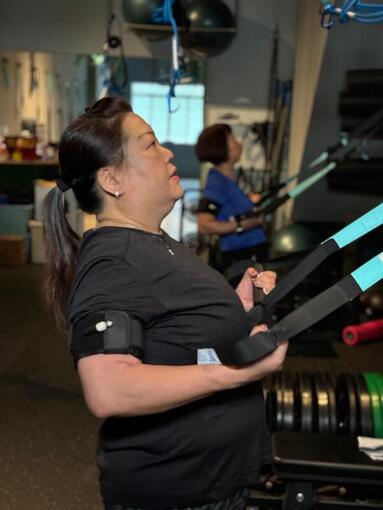
Quality care after physiotherapy: why people choose MSMC
- Sports medicine trainers: a sports medicine trainer (SMT) is a personal trainer trained in movement science, in how exercise can help with certain health conditions, & in corrective exercise for people with pain. They have an in depth understanding of the body, especially those parts that have been injured.
- Trainers who understand physio: some of our sports medicine trainers come from a physiotherapy background, so they understand where your physiotherapist left off & can speak the same language. Want to train with one? Read personal training in Singapore with a physiotherapist.
- We test, we don't guess: every programme starts with a full assessment, even if you've been assessed at a physiotherapy clinic.
- A small, private studio: quiet sessions, no crowds, & a plan built around complex issues like old injuries or more than one sore joint.
- Built for adults 35+: most of our members are 35 & over, including many in their 50s & 60s. Read our guide for over 50s.
- Ways to keep moving: small classes & stretch therapy to keep you mobile once you're strong.
The benefit for you: one team focused on your strength, while your physiotherapist or physical therapist stays in charge of any treatment. We're honest about what we don't do: no physiotherapy sessions, no diagnosis, no promises. We focus on training, & on quality care during every session. Since 2019 we've helped hundreds of people move better.
What it costs at MSMC
| MSMC option | Price (as of November 2026) |
|---|---|
| Full assessment (everyone starts here) | $190 |
| Essential PT membership (8 sessions a month) | $1,080 a month |
| 10-session PT package | $1,500 |
| Class | $45 |
To manage costs, many people start with personal training, then move to classes once they're strong & confident. See our personal trainer price guide for more.
FAQs: physiotherapy for pain & training after physio
What should you do after physio?
Keep doing your home exercises, ask your physiotherapist what you're cleared for, then build strength step by step. Many people work with a sports medicine trainer after physio to rebuild full strength, power & confidence for sport & daily life.
Do physiotherapists do strength training?
Physiotherapists use therapeutic exercises & some strength work as part of treatment, mostly in the early stages. Longer-term, heavier strength & power training usually happens after discharge, with a trainer or on your own.
Does MSMC offer physiotherapy?
No. MSMC is a training studio for the stage after physiotherapy. Some of our sports medicine trainers come from a physiotherapy background, but at MSMC they train you; they don't give physiotherapy treatment.
How soon after physio discharge can I start personal training?
Usually as soon as your physiotherapist has discharged you or cleared you for general exercise. If you're unsure, ask them first, then bring their advice to your assessment.
Can a personal trainer replace my physiotherapist?
No. A physiotherapist diagnoses & treats; a trainer doesn't. They work best one after the other: physiotherapy settles the injury, then training rebuilds strength.
How long does it take to get strong again after physio?
It depends on the type & severity of the injury, how long you were less active, your age & how often you train. Strength builds gradually over weeks & months, & we'll give you an honest view after your assessment.
Is physiotherapy good for back pain?
Yes, physiotherapy is a sensible first step for back pain, especially a recent flare-up. A physiotherapy clinic can assess the cause & treat the pain. Once it settles, building hip & trunk strength can help you stay active.
Last updated: 24 November 2026. Written by the MSMC team & reviewed by a sports medicine trained trainer.
Finished physio? Book your full assessment
If you've been discharged from physiotherapy & want to feel even better, get strong again & get back to the things you want to do, start with a full assessment ($190) at MSMC, 151A Kitchener Road, near Farrer Park MRT. We'll test how you move, explain what we find in plain words & build a plan that suits your body. Book on Momence or message us on WhatsApp at +65 8973 7619.