
The benefits of exercise for seniors are big & they start sooner than most people expect: stronger muscles, better balance & fewer falls, healthier bones, a healthier heart & blood pressure, and better mood, sleep & memory. Together, they help you stay independent for longer. At MSMC (Movement & Sports Medicine Centre) on Kitchener Road near Farrer Park MRT, our sports medicine trainers help people in their 50s, 60s, 70s & beyond start safely, even if they've never exercised before.
You don't need to run marathons. Gentle, regular exercise, built up step by step, brings most of these health benefits. A large study of 315,059 adults found that people who became more active in midlife (ages 41 to 60) had a lower risk of dying early, similar to people who had been active all along (JAMA Network Open, 2019). It's not too late to start, at any age. This guide walks through the 10 benefits, what happens without regular exercise, the most useful types of exercise & how often to do them.
Key facts: exercise for older adults
- Who it's for: anyone aged 50 & over, including complete beginners.
- What the guidelines say: 150 to 300 minutes of moderate activity a week, plus strength & balance work on at least 3 days (Singapore Physical Activity Guidelines).
- Safety first: chest pain, dizziness or a recent operation? See a doctor first.
- First step at MSMC: a full assessment, $190 (as of November 2026), then a plan built from the results.
- Where: 151A Kitchener Road #02, Singapore 208526, near Farrer Park MRT. Appointment based, closed Sundays & public holidays.
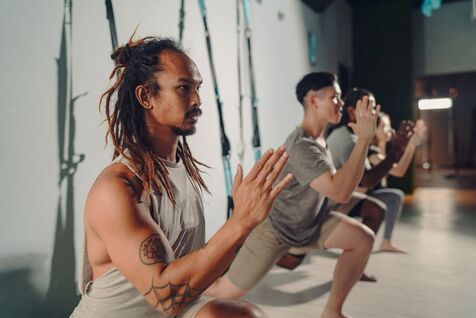
The 10 health benefits of exercise for seniors
Each of these is a good reason to start. You don't need all ten at once: the WHO says any amount of physical activity is better than none.
1. Stronger muscles for daily life
Strength training slows age-related muscle loss & keeps the strength you need for stairs, groceries & getting up from a chair. A Tan Tock Seng Hospital geriatrician explains that exercise maintains muscle strength, which helps prevent falls (HealthHub). Muscle strengthening activities can be as simple as sit-to-stands or resistance bands.
2. Better balance & fewer falls
A Cochrane review of 108 trials found that exercise programmes cut the rate of falls in older people living at home by around 23% (Sherrington et al., 2019). Balance exercises, tai chi & leg strength work all help improve balance & coordination.
3. Stronger bones
Bone density drops with age, especially for women after menopause. Weight-bearing exercise such as walking, plus strength work, helps protect bone strength & may lower the risk of osteoporosis (NIH, NIAMS).
4. Heart health & blood pressure
Regular physical activity lowers the risk of heart disease, stroke & high blood pressure (NHS; WHO). Cardiovascular exercise, such as brisk walking or cycling, raises your heart rate gently & can help lower cholesterol over time.
5. Easier weight management
Weight gain can creep up with age. The World Health Organization notes that physical activity improves measures of body fat (WHO). Strength work helps too, because muscle uses a little more energy than fat, even at rest.
6. Mood & mental health
Exercise is good for physical and mental health. The WHO says physical activity reduces symptoms of depression & anxiety, improves mental health & can improve overall well-being. A walk or a class can help reduce stress, & group classes add friendship, which supports good mental health.
7. Brain health & memory
Physical activity is linked to better cognitive health in older adults (WHO), & active people appear to have a lower risk of developing dementia, including Alzheimer's disease (CDC). Research is still growing & exercise is no guarantee, but it may help keep the mind sharp.
8. Better sleep & energy levels
The WHO lists better sleep among the proven benefits of physical activity for older adults. Moving in the day, not too close to bedtime, can help you sleep more deeply. Regular exercise also builds stamina, so everyday tasks tire you less.
9. Managing chronic conditions
Physical activity helps prevent & manage chronic diseases such as type 2 diabetes, heart disease & some cancers (WHO), & active people have a reduced risk of colon cancer (US National Cancer Institute). For many people with arthritis, exercise can help ease joint pain & stiffness, starting with gentle strength & range of motion work.
10. Independence & quality of life
These benefits work together to help prevent disability, so you can live independently for as long as possible as you age (HealthHub). That's the real goal: a better overall quality of life.
What happens if seniors don't exercise?
Without regular exercise, muscle & bone weaken faster, balance slips & joints stiffen. That raises the risk of falls & makes everyday tasks harder, so people often move even less. Exercise won't drastically improve your health overnight, but every week of activity counts.
What is the most beneficial exercise for seniors?
There isn't one best exercise. The WHO & Singapore guidelines recommend a mix, called multicomponent activity:
- Strength training: essential to strengthen legs, hips, back & arms. See strength training in your 60s.
- Balance: standing on one leg by a wall, or tai chi.
- Aerobic activities: walking, cycling, swimming or dancing.
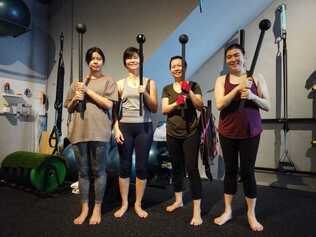
- Flexibility: yoga & stretching exercises to keep your range of motion, like our Power Bands stretch class for seniors.
The best one is the one you'll keep doing. Small group strength classes for seniors make it social.
How often should the elderly exercise?
Singapore's guidelines suggest 150 to 300 minutes of moderate aerobic activity a week, plus strength & balance work on at least 3 days, & less time sitting (HPB & Sport Singapore). "Moderate" means you can still talk but not sing. If you're new, start with 10 minutes & gradually increase.
| Benefit | Type of exercise that brings it | How often |
|---|---|---|
| Stronger muscles & bones | Strength training (bands, weights, bodyweight) | 2 to 3 days |
| Steadier balance | Balance exercises, tai chi, leg strength | 3 or more days |
| Heart health | Brisk walking, cycling, swimming | 150 to 300 minutes weekly |
| Mood, sleep & brain health | Any regular physical activity, ideally with others | Most days |
| Easier movement & less stiffness | Stretching, yoga, mobility work | 2 to 3 days |
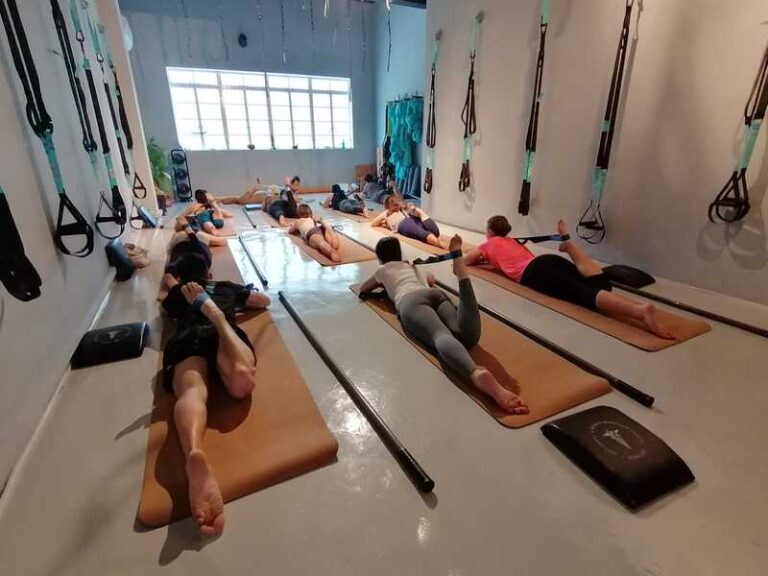
Why guidance matters: a sports medicine trainer
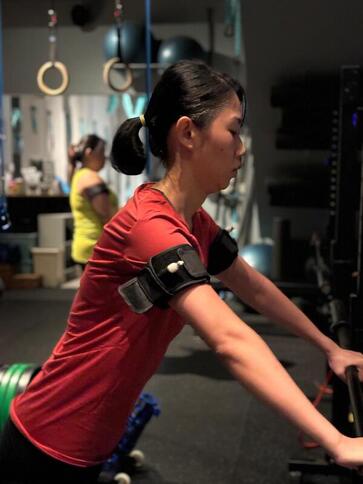
A new routine after 50 is easier & safer with someone who understands the body. A sports medicine trainer is a personal trainer trained in movement science & in how exercise can help with certain health conditions, plus corrective exercise for people with pain. Right for people in their 50s onwards. Compare: sports medicine trainer vs personal trainer after 50.
At MSMC, every exercise routine starts with a full assessment ($190) of how you move, so your plan suits your body, including arthritis or old injuries. Prefer to train at home? We offer home personal training too. We don't diagnose or give medical treatment: if you have chest pain, dizziness, unexplained breathlessness, recent surgery or uncontrolled blood pressure, see a doctor first.
FAQs: exercise for seniors
Why is it important for elderly people to exercise?
Exercise keeps muscles, bones, balance & the heart strong for everyday life. It lowers the risk of falls & many chronic conditions & helps older adults stay independent.
Should a 70-year-old exercise every day?
Some light activity every day, like a walk, is a good aim. Strength work needs rest days, so 2 to 3 sessions a week is plenty. Check with your doctor if you have a heart condition.
What happens if seniors don't exercise?
Muscle & bone weaken faster & steadiness declines, raising the risk of a fall. Inactivity also raises the risk of heart disease & type 2 diabetes.
Can exercise help anxiety?
Yes. The WHO says physical activity reduces symptoms of anxiety & depression. If it affects your daily life, talk to your doctor too.
What is the 3-3-3 rule?
It's an informal rule with no single official definition. One common version is 3 days a week, 3 exercises, 3 sets; another is 3 sets of 3 exercises in 30 minutes. For a beginner over 50, it can be a simple start: pick 3 easy exercises, such as sit-to-stands, wall push-ups & a supported balance hold, & do 1 set before building up to 3.
Is walking enough?
Walking is a great start for heart health & mood, but it doesn't build enough strength or balance. Add strength work & exercises that improve balance on 3 days a week.
Last updated: 24 November 2026. Written by the MSMC team & reviewed by a sports medicine trained trainer.
Ready to start? Book your full assessment
It's never too late for an active lifestyle. Start with a full assessment ($190) at MSMC, 151A Kitchener Road, near Farrer Park MRT. We'll test how you move & build a plan that feels friendly & doable. Book a $190 full assessment on WhatsApp at +65 8973 7619. You can also read our beginner's guide to exercise for seniors in Singapore.